
Tea · How it’s made
Why Kenyan black tea brews so brisk.

Tip a spoonful of Kenyan black tea into your palm and you will usually find small, hard, dark grains. That shape comes from a method called CTC, and it explains a lot about how the tea tastes.
What CTC means
CTC stands for crush, tear, curl. The Tea Board of Kenya calls it cut, tear and curl. The leaf passes through cylindrical rollers with hundreds of sharp teeth, which crush, tear and curl it into small, hard pellets.
Blowers then speed up oxidation, and the green pellets turn dark brown in just under an hour. The method replaces the last stage of orthodox tea making, where the leaves are rolled into strips.
The first CTC machine went into service in 1930, on a tea garden in Assam, India. From 1950 it spread over three decades, fastest in India and Africa.
How much of Kenya’s tea is CTC
The Tea Board of Kenya calls CTC the most dominant method of tea processing in the country. One industry report put orthodox tea at less than 20 million kilograms of the roughly 600 million kilograms Kenya produces in a year.
What it does to the cup
Broken this small, the tea brews quickly and gives a dark cup. Boiled the Indian way, CTC tea generally turns a rich red-brown.
One tea merchant describes CTC as darker, more astringent and more brisk than orthodox tea, and strong enough that it loses nothing when milk goes in.
Kenyan tea has become a staple of English breakfast blends, where it brings briskness and a nutty brown colour. In 2018, Kenya was the world’s largest exporter of black tea.
Where it grows
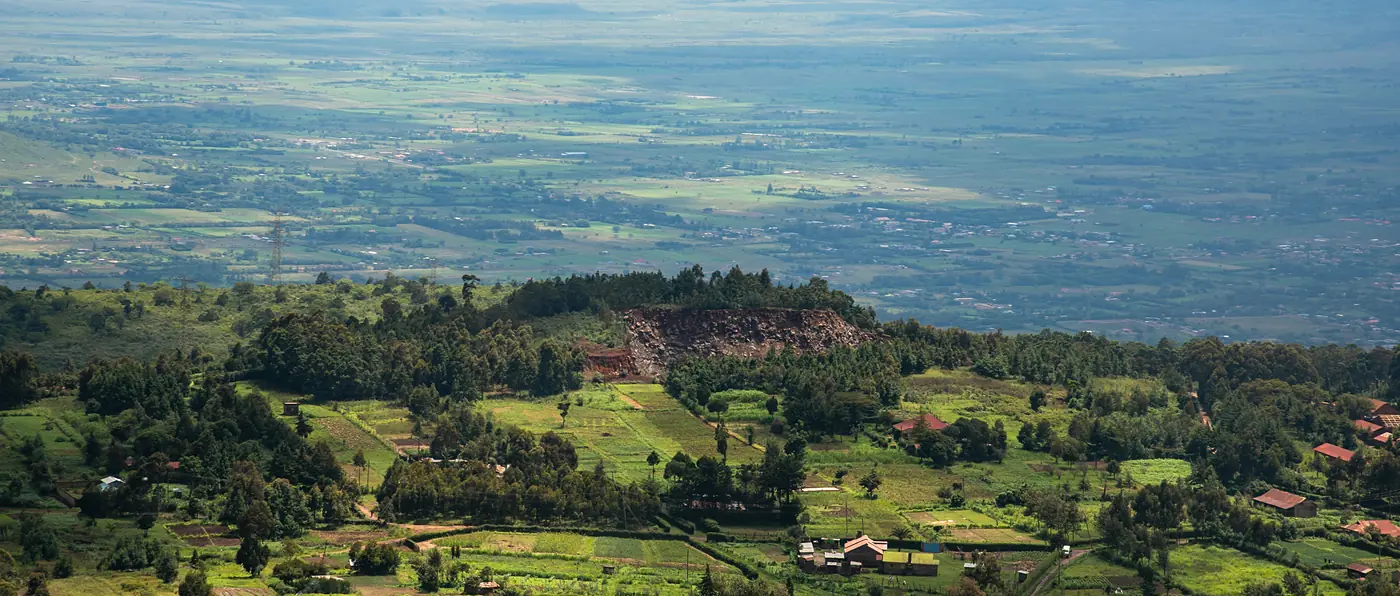
Kenyan tea grows in the highlands, 1,500 to 2,700 metres above sea level, on both sides of the Great Rift Valley. To the east it grows on the high ground of Mount Kenya, the Aberdare ranges and the Nyambene Hills. To the west it grows on the plains and hills around Kericho, Kisii and Nandi.
Rainfall there is well spread through the year, 1,200 to 1,500 mm of it, with long sunny days in between.
Brewing ours
Use 1 teaspoon of Highland Black Tea per 250 ml of water straight off the boil. Steep about 3 minutes to drink it plain, or 3 to 5 minutes if you add milk. The steep timer on its page counts it down for you.
Sources
- Tea Board of KenyaTrade advisory, marketing and promotion
- Tea Board of KenyaTea growing
- Tea Board of KenyaTea growing counties in Kenya
- WikipediaCrush, tear, curl
- WikipediaTea production in Kenya
- Harney & SonsWhat is CTC tea? Crush, tear, curl explained
- World Tea NewsAfrican tea, part 1: Kenya, an origin and driver
Keep reading
More from the journal.
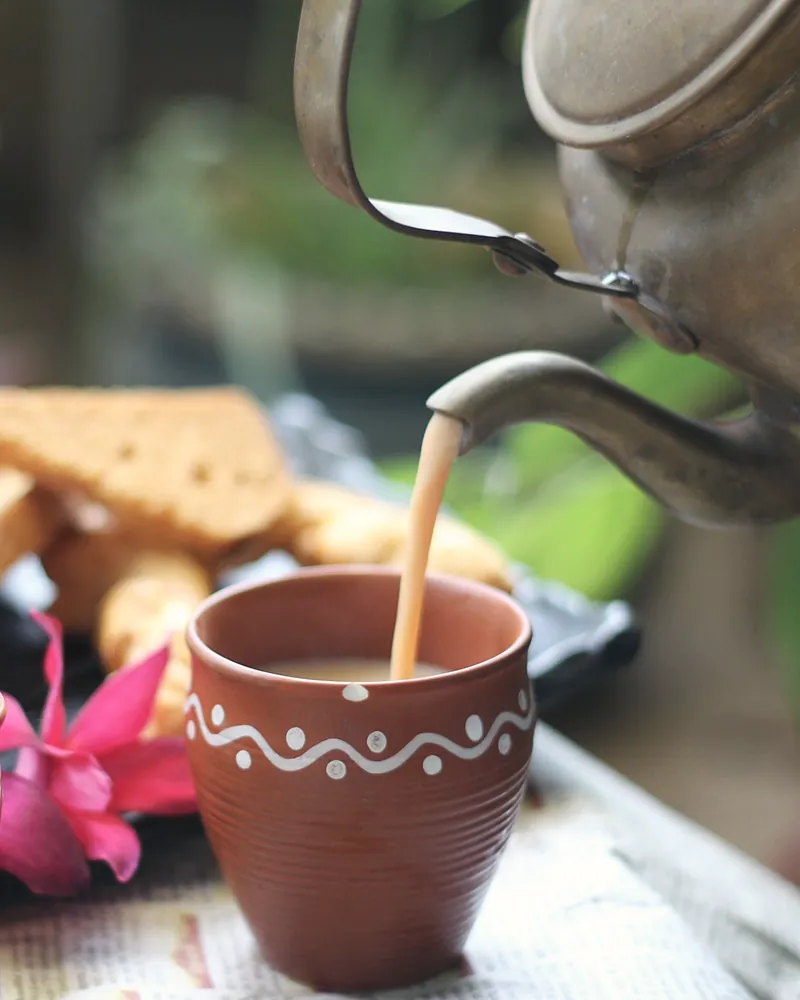
Chai ya tangawizi, at home.
Kenyan ginger chai, made in one pan with black tea, milk and fresh ginger.

AA, AB, PB. Reading a Kenyan coffee grade.
The letters on a bag of Kenyan coffee describe the size and shape of the bean. Here is how to read them.